

Hidden Treasures of Setúbal Portugal
Between the blue of the Atlantic and the green of limestone hills, the Setúbal District offers a rich slice of Portugal where nature, heritage, and easygoing coastal life come together. The city of Setúbal faces the Sado Estuary, where a resident pod of bottlenose dolphins thrives. Boats cross the calm water to the Tróia Peninsula, with wide beaches, dunes, and the remains of Roman fish-salting workshops. The light is soft, the sea shifts from emerald to deep blue, and the seafood could not be fresher. Locals swear by choco frito, the famous fried cuttlefish, best paired with a glass of Moscatel de Setúbal.
To the west rises the Serra da Arrábida. White limestone cliffs drop to coves and clear water. Portinho da Arrábida and Galapinhos are small but unforgettable, with fine sand and a wild feel outside summer weekends. Hiking trails bring scents of thyme and cistus. The views from the road between beaches and hilltops are classic postcards. Kayakers skim along the coast, and divers explore underwater ledges. Birdlife is rich in the estuary and along the cliffs, with flamingos, herons, and raptors common in the right season.
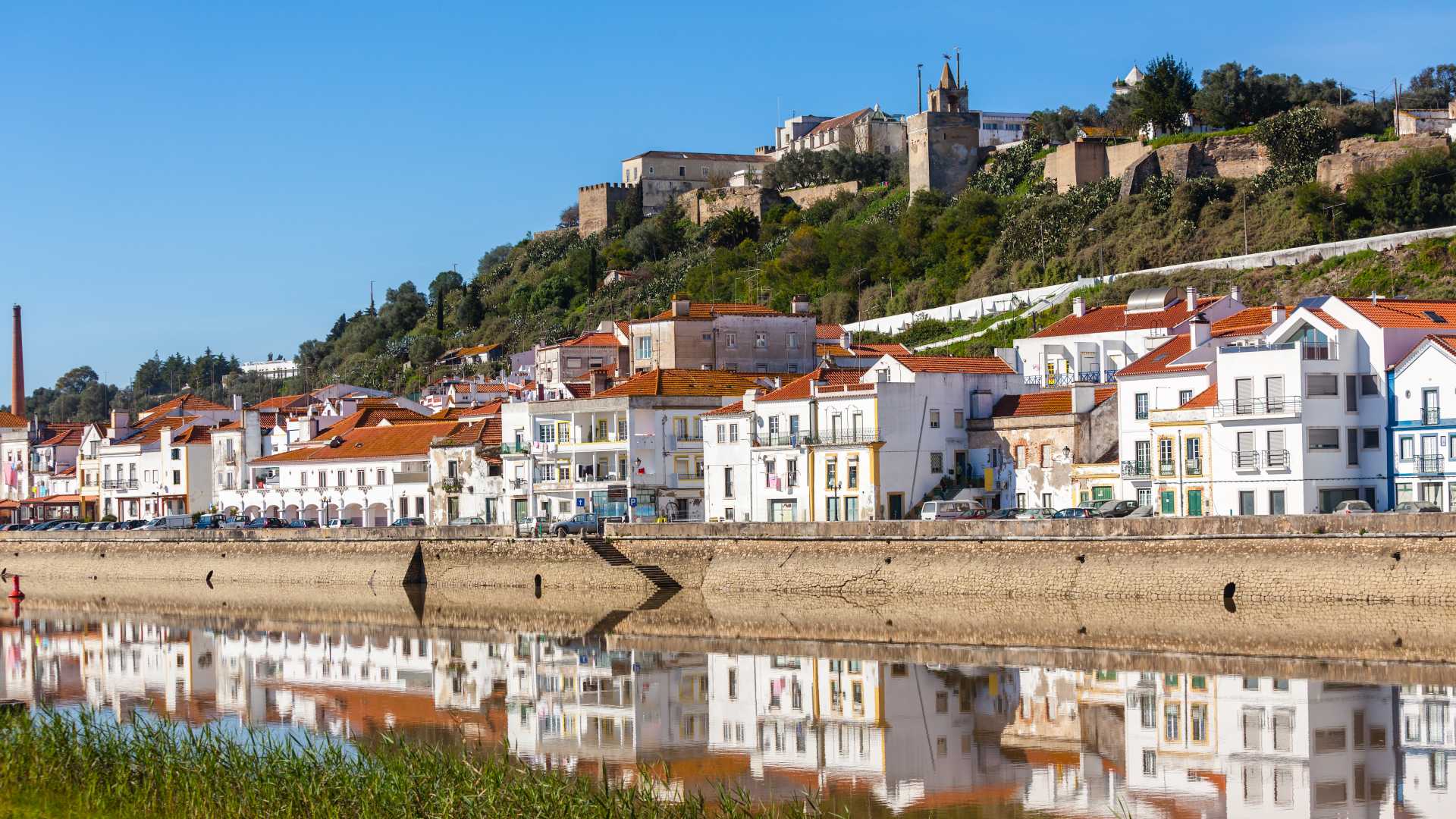
Inland, castles crown hills and tell long stories. Palmela has a fortress with broad views over vineyards that produce Setúbal DOC reds and whites. Sesimbra has a hilltop castle and a busy fishing port below, where grills smoke with sardines and sea bream. Alcácer do Sal spreads along the Sado, with a castle, white houses, and salt pans that change color with the sun. Nearby, the Cais Palafítico da Carrasqueira shows wooden walkways on stilts over the mudflats, a striking sight at low tide. In Azeitão, wineries open their doors for tastings, and small shops sell Azeitão cheese and the sweet tortas that carry the village name.
Further south, the coast opens to long beaches and raw Atlantic power. Sines mixes a working port with a compact old town and a castle tied to Vasco da Gama. Surfers find steady waves along this stretch, while families choose calmer spots on summer mornings. Offshore, Pessegueiro Island sits just beyond the shore, a small green shape with the ruins of a fort, adding drama to sunset views.
What feels unique here is the balance. You can watch dolphins in the morning and taste oysters from the Sado by lunch. You can sip Moscatel in a cool cellar, then swim in a cove without crowds if you time it well. Rice fields near Comporta glow green in spring and gold in late summer, and the smell of pine follows the road. The district is close to Lisbon by car or train, yet it keeps its own pace, shaped by sea winds, salt, and sun.
 Crafted by AI with care. Click to learn about our approach

Alcácer do Sal: A riverside view of history