

Explore the Charms of Leiria: Portugal's Hidden Gem
Stretching from pine forests to a wild Atlantic coast, Leiria District offers a mix of medieval towns, UNESCO monuments, surf spots, and quiet countryside. It sits between Lisbon and Porto, with easy road links, so many visitors pass through. It rewards those who slow down. The capital, Leiria, lies on the Lis River under a hilltop castle. Its old streets are calm and inviting. Cafés spill onto small squares. In the evening, the riverfront comes alive with families and friends.
To the south, Óbidos rises behind stone walls. White houses line narrow lanes. Bougainvillea climbs over doors. Bookshops fill chapels and corners, giving the town a special charm. Try a small cup of cherry liqueur, the famous ginja, often served in a chocolate cup. Not far away, Caldas da Rainha is a historic spa town founded by a queen. Its thermal hospital and lovely park show how water shaped local life. The town is also known for playful ceramics that appear in windows and on balconies.
Two World Heritage monasteries anchor the district. In Batalha, the Monastery of Santa Maria da Vitória stuns with lace-like stonework and soaring chapels. In Alcobaça, the vast Cistercian abbey feels serene and powerful, with a kitchen the size of a house and the famous tombs of Pedro and Inês. Both places tell stories of faith, art, and royal ambition, and both are easy to visit on a day trip.
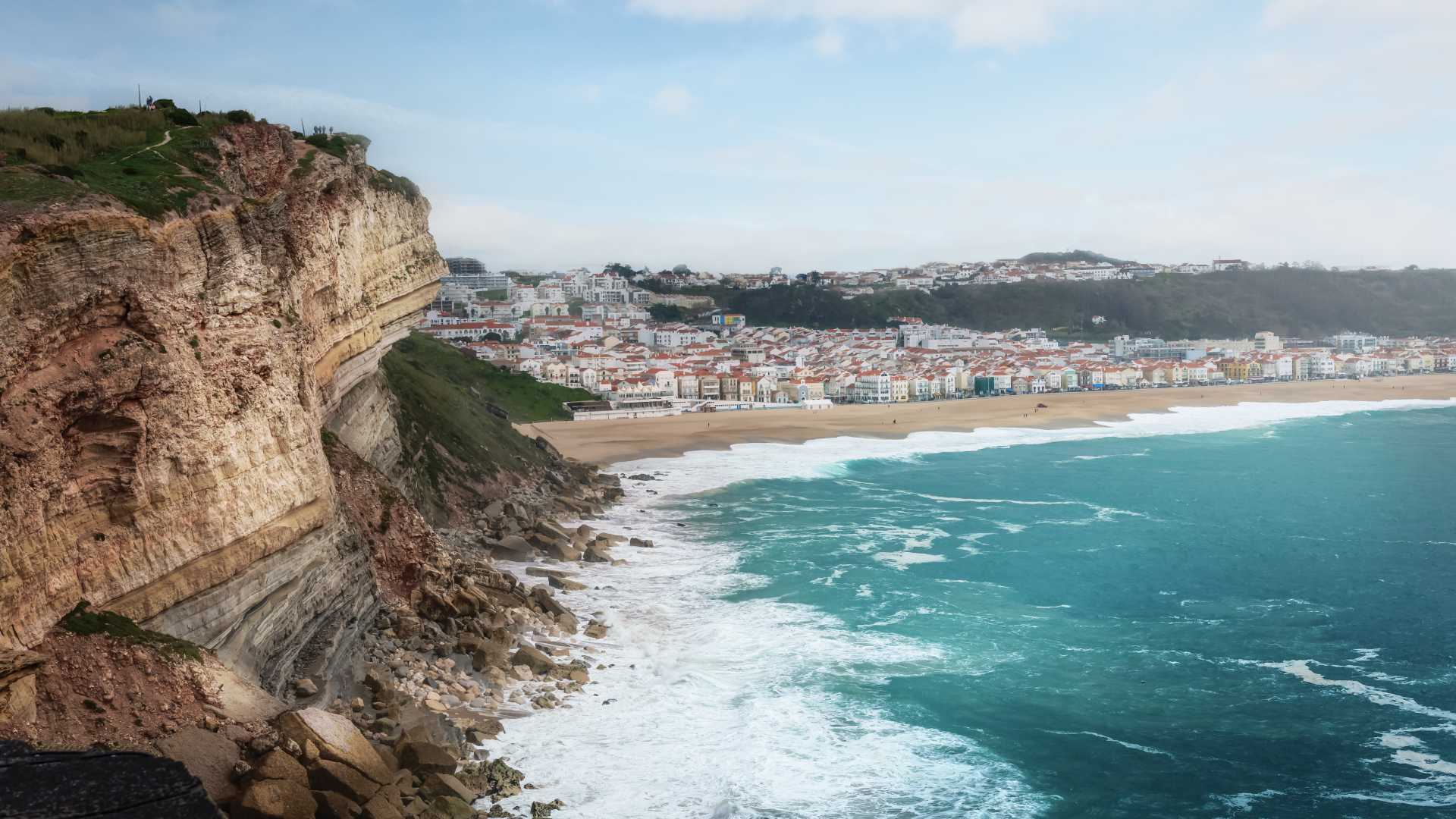
The sea shapes daily life on this coast. Peniche sits on a rugged peninsula with fishing boats, sea air, and long beaches. The wave at Supertubos hosts major competitions and draws surfers from across the world. Nearby, Nazaré became a legend for its giant winter waves at Praia do Norte, created by a deep submarine canyon. In summer the town is gentler, with striped fishermen’s houses, grilled sardines, and a broad sandy bay.
Industry and nature intersect inland. Marinha Grande grew from glassmaking, powered by wood from the vast Leiria Pine Forest. The forest was planted centuries ago to fix the dunes and supply timber for shipbuilding. Today it offers shade for walks and cycling. In the north, Pombal stands under a tidy castle and makes a good pause between coastal and inland sights.
Food is simple and fresh. Expect seafood stews, clams, and barnacles on the coast, roast meats and hearty soups inland, and soft sponge cake from Alfeizerão. Local apples from the Alcobaça area are crisp and sweet. Wines from Óbidos and Encostas d’Aire pair well with fish and cheese. Whether you come for waves, stone, or quiet streets, this district feels varied yet easy, with short distances, clear flavors, and places that stay in the memory.
 Crafted by AI with care. Click to learn about our approach

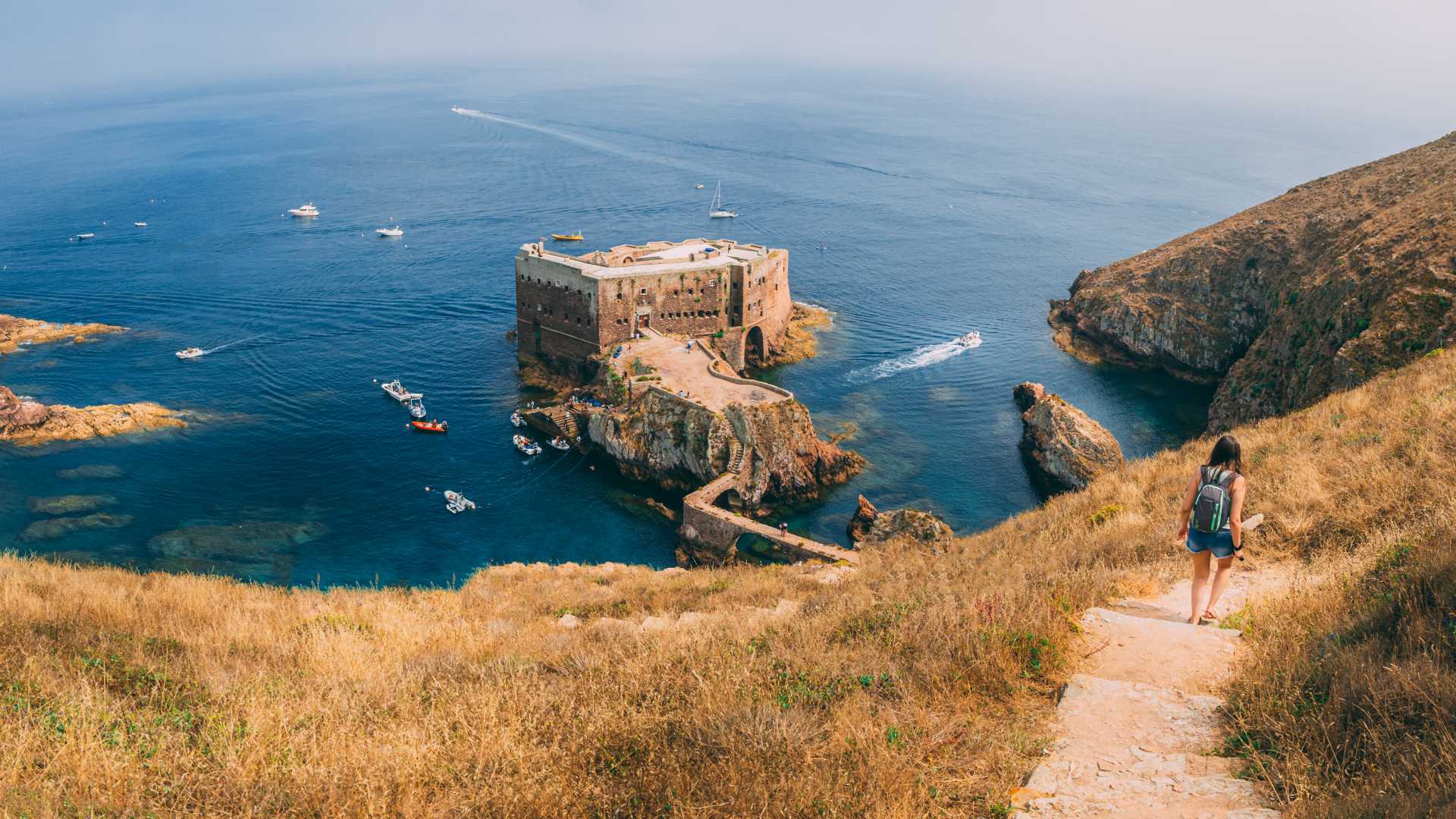
Berlengas Islands: Journey to the Fort of São João Baptista
 Featured regions