

Explore the Natural Wonders of the Azores
Far out in the North Atlantic, the Azores Autonomous Region of Portugal offers a rare mix of wild nature, warm hospitality, and calm, small-scale travel. Nine islands form the archipelago, each with a clear character. On São Miguel, green crater rims rise over deep blue lakes. Steam curls from the ground at Furnas, where cooks lower pots into hot earth to make “cozido,” a slow stew with a soft, rich flavor. Tea bushes roll down gentle slopes at Gorreana and Porto Formoso, home to the only commercial tea plantations in Europe. Hydrangeas line country roads in summer, and miradouros open to views that shift with the light and the weather.
Life feels maritime across the islands. In spring, whale watching is superb, with blue and fin whales passing through, while sperm whales are seen year-round. The ocean is clear and full of life for divers and snorkelers, from volcanic shelves to offshore banks. Hikers trace old trails through laurel forests and across open pasture. On Pico, a well-marked path climbs to the top of Portugal’s highest peak. The black lava fields at the coast protect vineyards that creep between low stone walls; this vineyard landscape is UNESCO listed, and the local wines pair well with seafood and island cheeses.
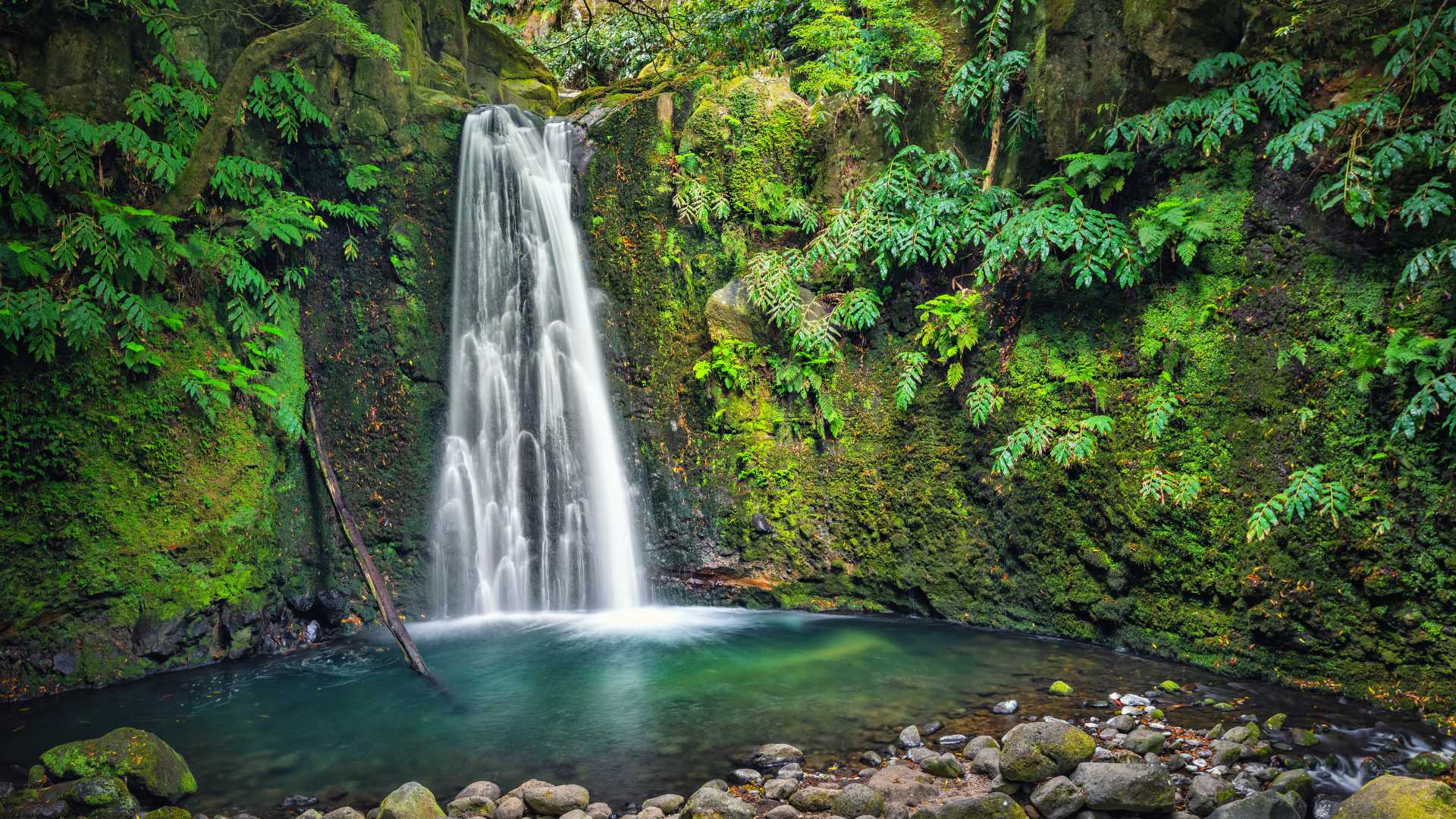
Culture is strong and proud, and it stays close to the sea. Angra do Heroísmo on Terceira is also UNESCO listed, with elegant streets, churches, and fortifications that tell of Atlantic trade and defense. The Holy Spirit festivals bring color, music, and shared food to towns and villages in late spring and summer. In Horta on Faial, yachts from around the world paint their marks on the harbor wall, and sailors fill the cafés. Across the channel, São Jorge offers long fajãs, flat lava plains at the foot of cliffs, and a famous, nutty cheese. Graciosa is quiet and graceful, with windmills and a cave with an underground lake. Flores lives up to its name with waterfalls and bright blooms, while tiny Corvo has a single village and a vast, serene caldera. Santa Maria lies to the south and is warmer and drier, with sandy beaches and golden tones.
The region shares administrative roles among Ponta Delgada, Horta, and Angra do Heroísmo, which also act as friendly gateways for visitors. Flights link the islands with Lisbon and Porto, and inter-island travel is by ferry and small planes. The climate is mild all year, but the weather can change fast, so a light jacket is wise even in summer. The Azores favor care for nature over crowds. Trails are well signed, viewpoints are many, and the welcome is sincere. Come for the volcanic power, stay for the easy rhythm of island life, and leave with the clean scent of the ocean still in mind.
 Crafted by AI with care. Click to learn about our approach

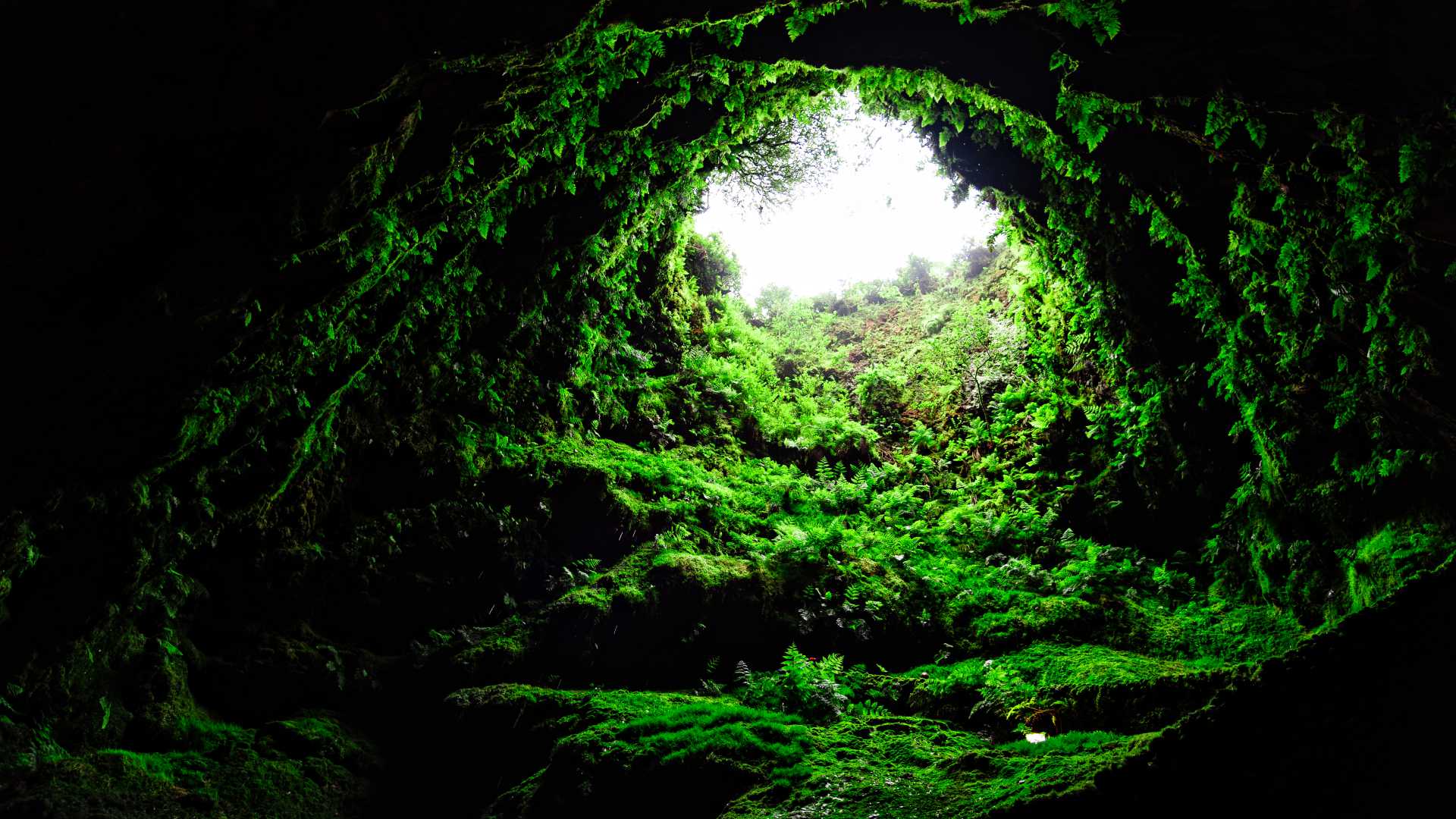
Algar do Carvao: A Volcanic Wonder of Terceira