
Liechtenstein: A Tiny Kingdom with Grand Landscapes
Tiny and dramatic, Liechtenstein sits between Switzerland and Austria, with the Rhine on one side and sharp Alpine ridges on the other. It is one of the world’s few doubly landlocked countries. You will feel the scale at once. It is only about 25 kilometers long, yet it packs in quiet villages, tidy vineyards, and high trails with big views. German is the language, Swiss francs are the currency, and the vibe is calm and orderly. Trains do not run through the country, and there is no airport, so most visitors arrive by bus from Swiss rail hubs like Sargans or Buchs. This slower entry suits the place.
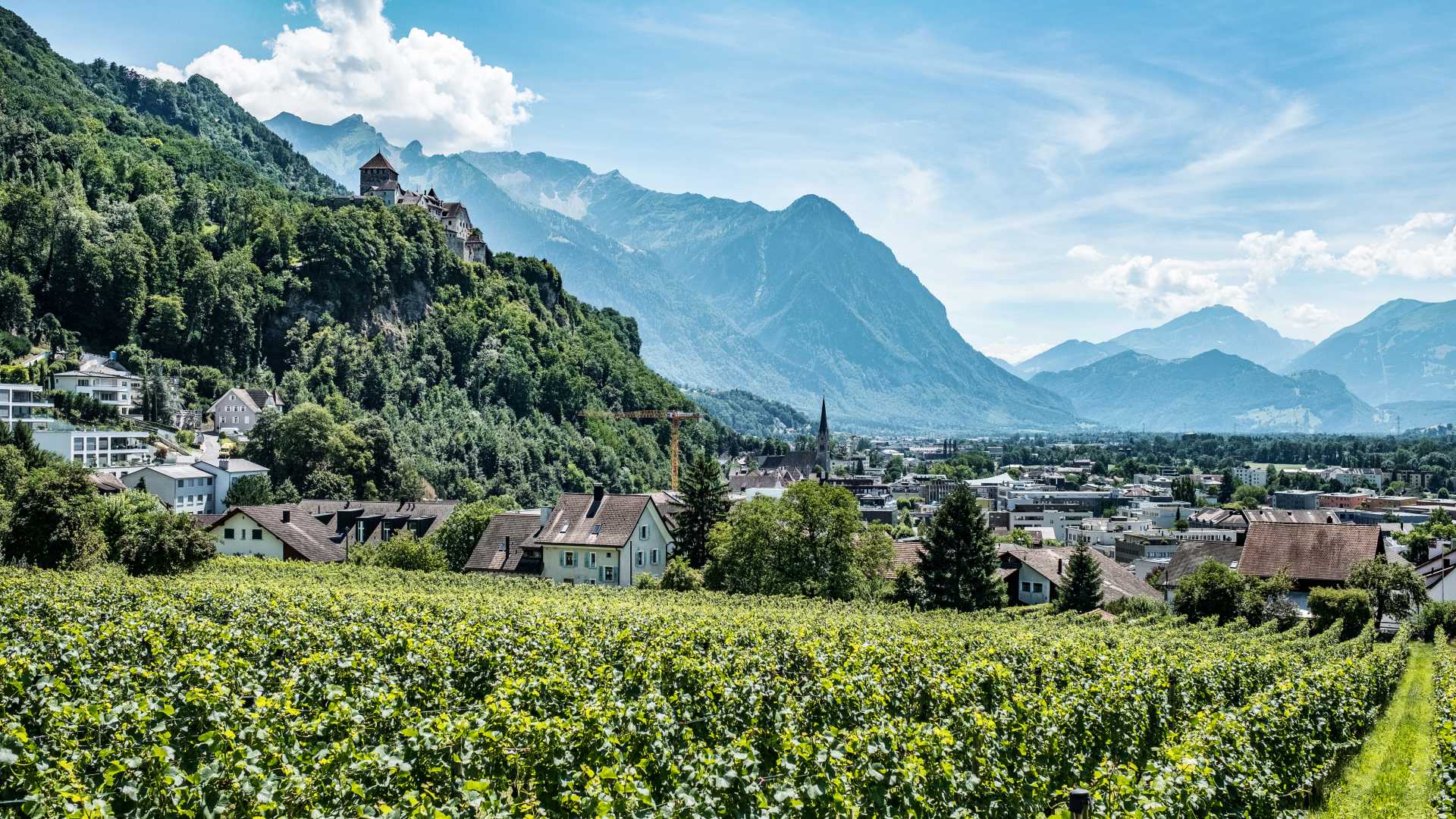
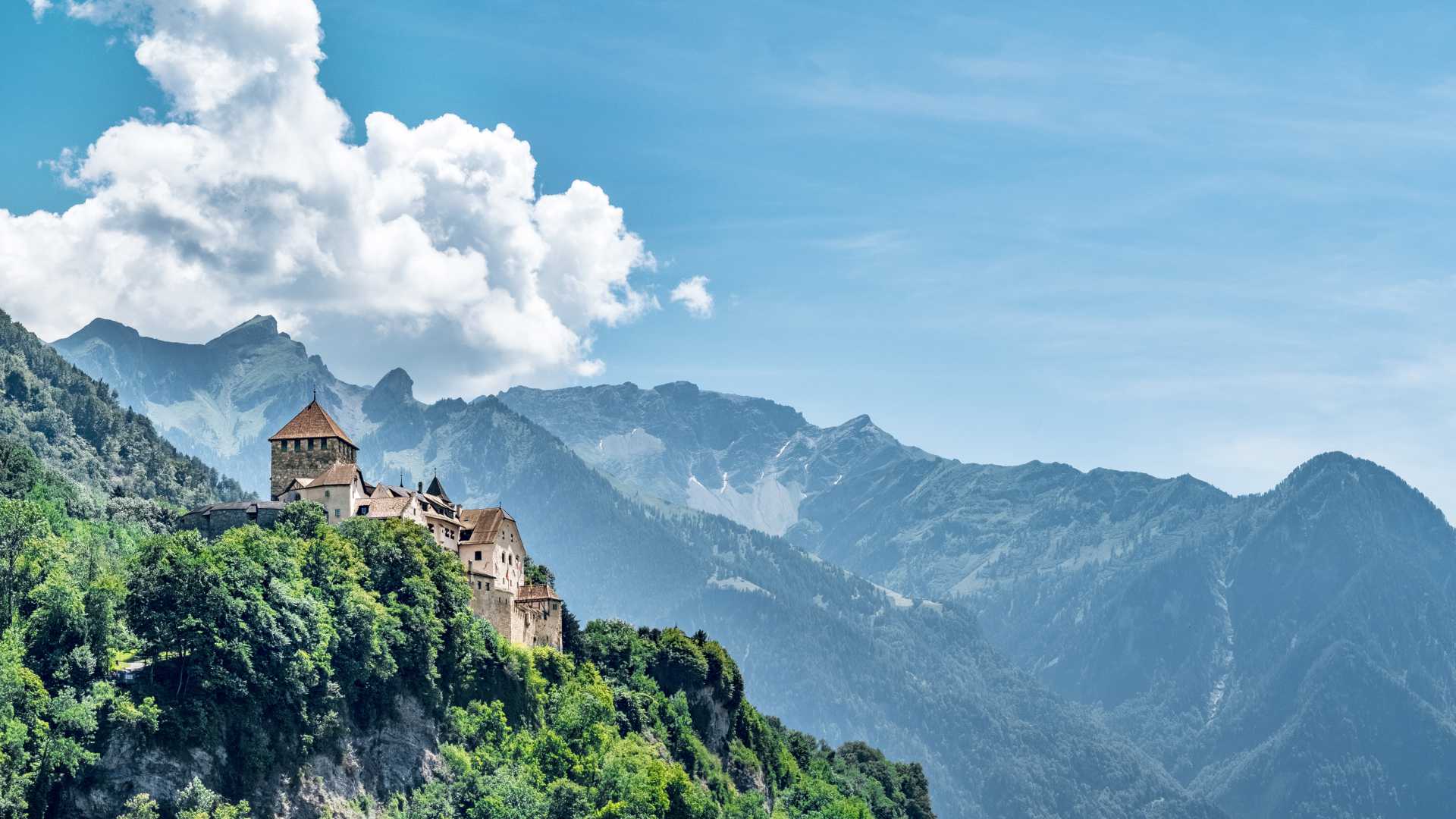
In Vaduz, the capital, a clean, car-light center hosts smart museums and cafes. The modern Kunstmuseum shows international art, and the Hilti Art Foundation adds sleek white galleries next door. A small Postal Museum shares the story behind the country’s famous stamps. You cannot visit the interior of Vaduz Castle because it is the residence of the princely family, but it dominates the hill and makes a fine photo from below. At the foot of the slope, the Prince of Liechtenstein Winery pours Riesling-Sylvaner and Pinot Noir among the Herawingert vines, with the Alps as a backdrop.
Ski and snow fans head to Malbun, a compact, family-friendly resort at the end of a winding valley. Gentle slopes and a relaxed feel make it ideal for beginners and children, while ski tourers venture to nearby peaks after fresh snow. In summer, Malbun turns into a base for hiking. The Sareis chairlift lifts you toward ridge paths, meadows, and marmots. The Fürstensteig and other balcony trails cut across steep limestone, with cables in exposed spots and views down to the Rhine valley. North of the capital, Schaan is the largest town, a practical stop with shops and links to paths on the valley floor. Along the southern edge, Balzers is known for Gutenberg Castle on its free-standing hill, a landmark above orchards and fields.
A newer highlight is the Liechtenstein Trail, a 75-kilometer path that threads through all 11 municipalities. It uses gentle sections of riverbank, village lanes, and forest tracks. Many walkers split it into short stages and use buses to hop on and off. Cyclists like the paved levee along the Rhine, which is flat and scenic. Food is hearty and alpine. Try Käsknöpfle with melted cheese and onions, ribelmais made from local corn, and mountain herbs in soups and teas. Museums in Triesenberg explore Walser culture, whose settlers shaped life in the higher hamlets. On 15 August, National Day brings speeches, music, and fireworks in Vaduz, with a rare chance to stroll the meadow near the castle.
Safe, tidy, and easy to navigate, the country rewards slow days. Stay in Triesen or Triesenberg for a quieter base, plan mountain walks for the morning, and end the day with a glass of wine as the last light slides off the ridge.
 Crafted by AI with care. Click to learn about our approach

Vaduz Castle: Liechtenstein's Landmark