

Explore the Charm of Porto's Vibrant Culture
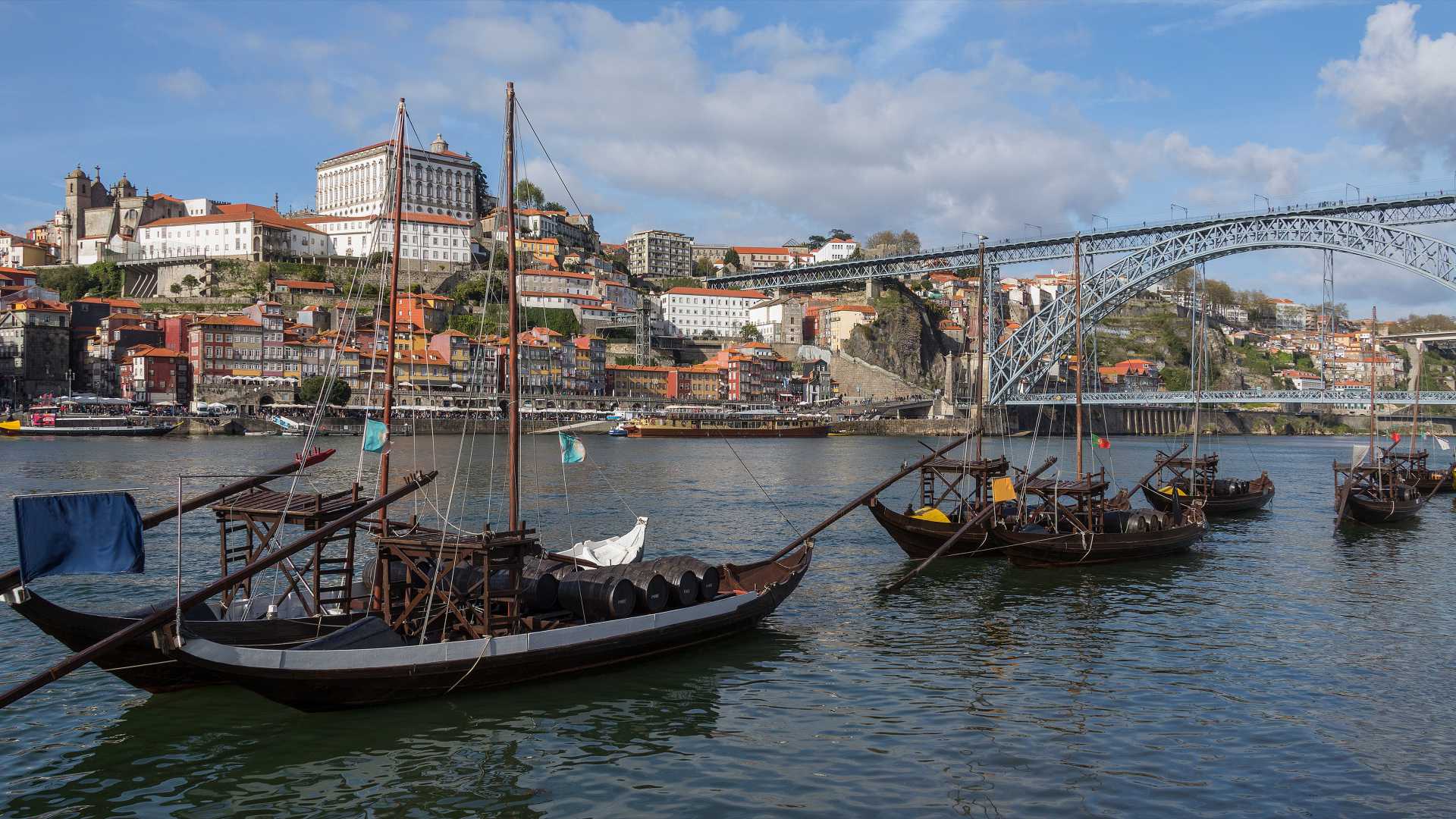
Atlantic light, river views, and a lively food scene set the tone across Porto District. It stretches from the surf beaches north of the Douro to green valleys in the interior. At its heart sits Porto, with steep lanes, tiled facades, and a historic center that rises over the river. Rabelo boats still glide past arches and ironwork bridges. Across the water in Vila Nova de Gaia, the port wine lodges tell a story of trade and craft. Cellars offer cool retreats on warm days, with tastings that range from white and ruby to rare tawny blends. In June, the São João festivities fill both banks with lanterns, music, and fireworks, and the smell of grilled sardines drifts through the night.
Food shapes daily life here. In Porto, cafés serve francesinha with spicy sauce, and the Bolhão market bursts with fruit, cheese, and flowers. Down by the sea in Matosinhos, restaurants line the streets with charcoal grills. Platters hold prawns, clams, and whole fish brought in that morning. The coast is easy to reach by tram or metro, so you can swim, surf, or watch the sunset without leaving the city vibe behind. Modern culture has its landmarks too. Serralves couples a sleek museum with a leafy park, and Casa da Música hosts concerts in a striking, angular hall.
North along the shoreline, Leça da Palmeira, Vila do Conde, and Póvoa de Varzim add long sands, dune walks, and a strong fishing identity. Sea air and gulls frame mornings at the harbor, and evenings bring simple meals of caldo verde and grilled mackerel. The Metro do Porto links these coastal towns to the urban core, so day trips feel smooth and stress free. Inland, the landscape turns soft and green. Stone bridges cross the Tâmega River in Amarante, where arcades overlook the water and pastry shops fill windows with sweets. Romanesque churches dot the valleys of Sousa and Tâmega, and old granite speaks through portals and cloisters in places like Paço de Sousa near Penafiel.
Hikers find quiet paths in the Valongo hills, with cork oaks, heather, and traces of ancient mines. Families cool off at river beaches in summer, while autumn brings grape harvests on small estates. Parts of the district touch the Vinho Verde region, and light, crisp wines pair well with local cod cakes and roast meats. Football fans know the rhythm of match days at Estádio do Dragão, and streets pulse when the blue and white play. Between museums, markets, beaches, and vineyards, distances stay short. Trains and metro lines link Maia, Gondomar, Valongo, and other towns to the center, making it easy to mix big sights with small surprises. The result is a compact region that feels rich and varied, with friendly faces and flavors that linger.
 Crafted by AI with care. Click to learn about our approach

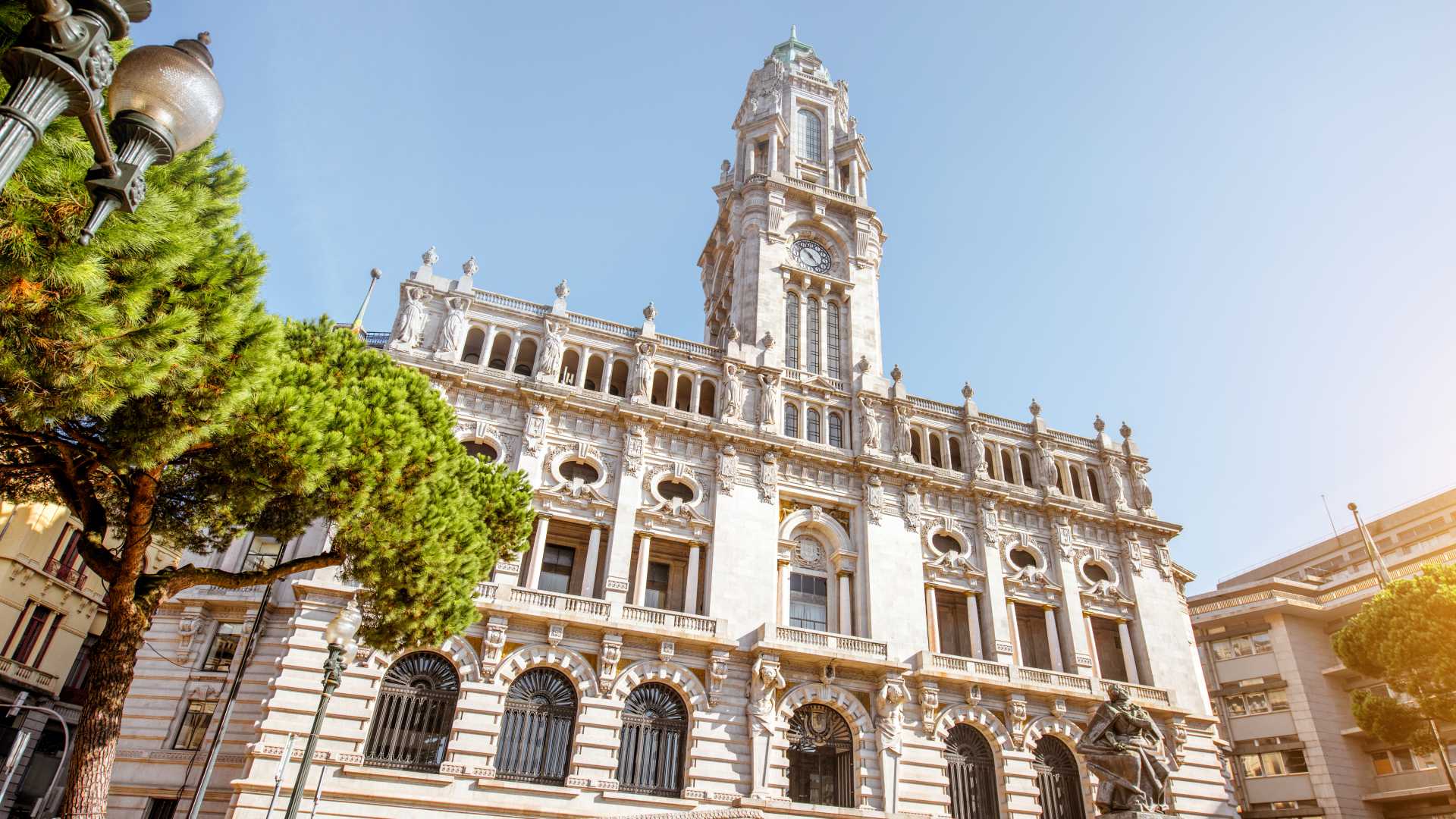
Porto City Hall: A Grand View
 Featured regions